What the deposit is
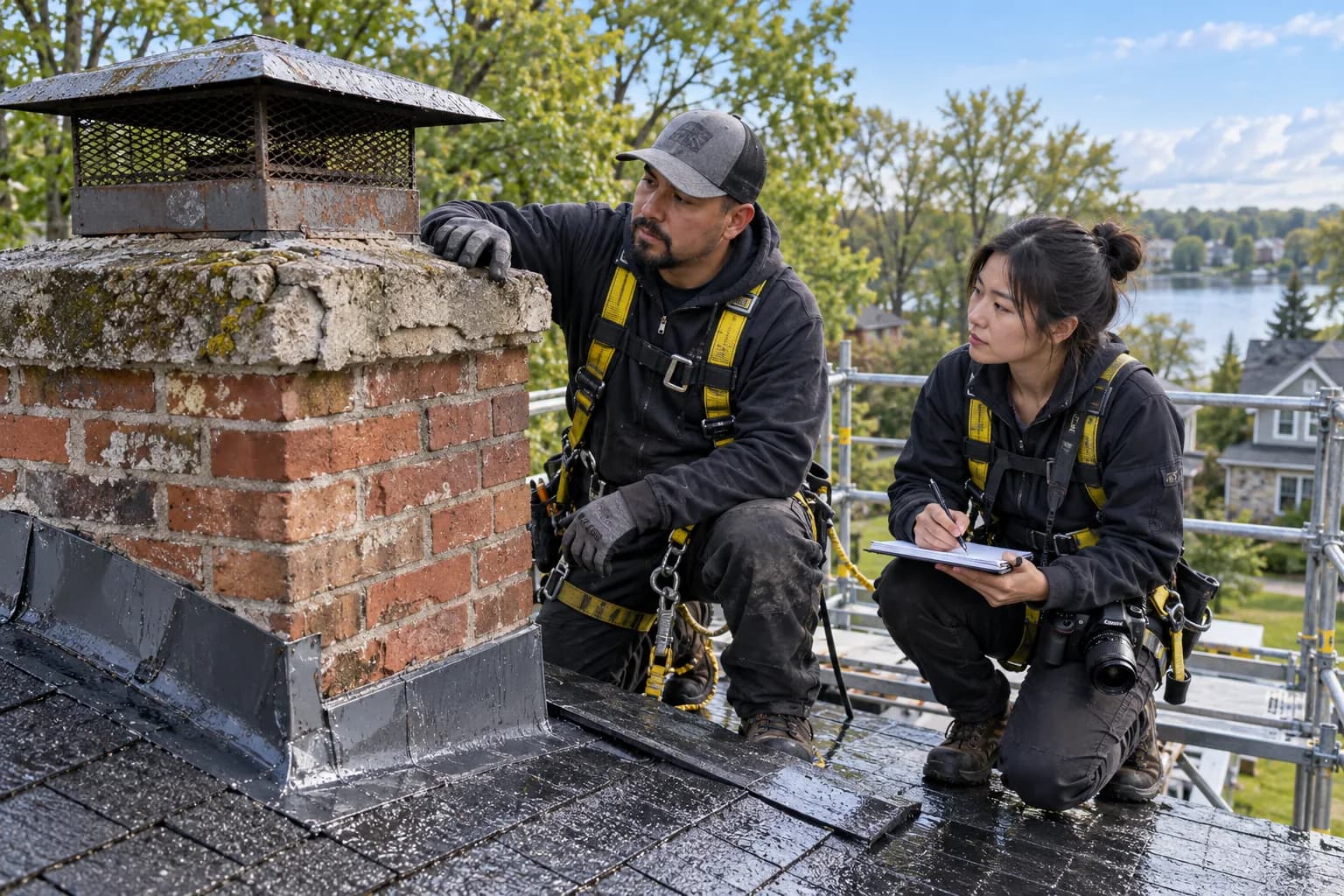
EPA explains that wood-burning gases can condense against a cooler chimney and leave combustible creosote on the inner walls. Restricted air supply, unseasoned wood and cooler flue conditions can increase buildup. The amount and character of deposit inside a flue cannot be judged reliably from a glimpse at the fireplace opening.
A strong smoky odor, dark residue or declining draft can justify a professional assessment, but none proves the thickness or exact type of deposit. Avoid scraping or applying a product without understanding the liner and appliance.
Ask for observation, not a generic upsell
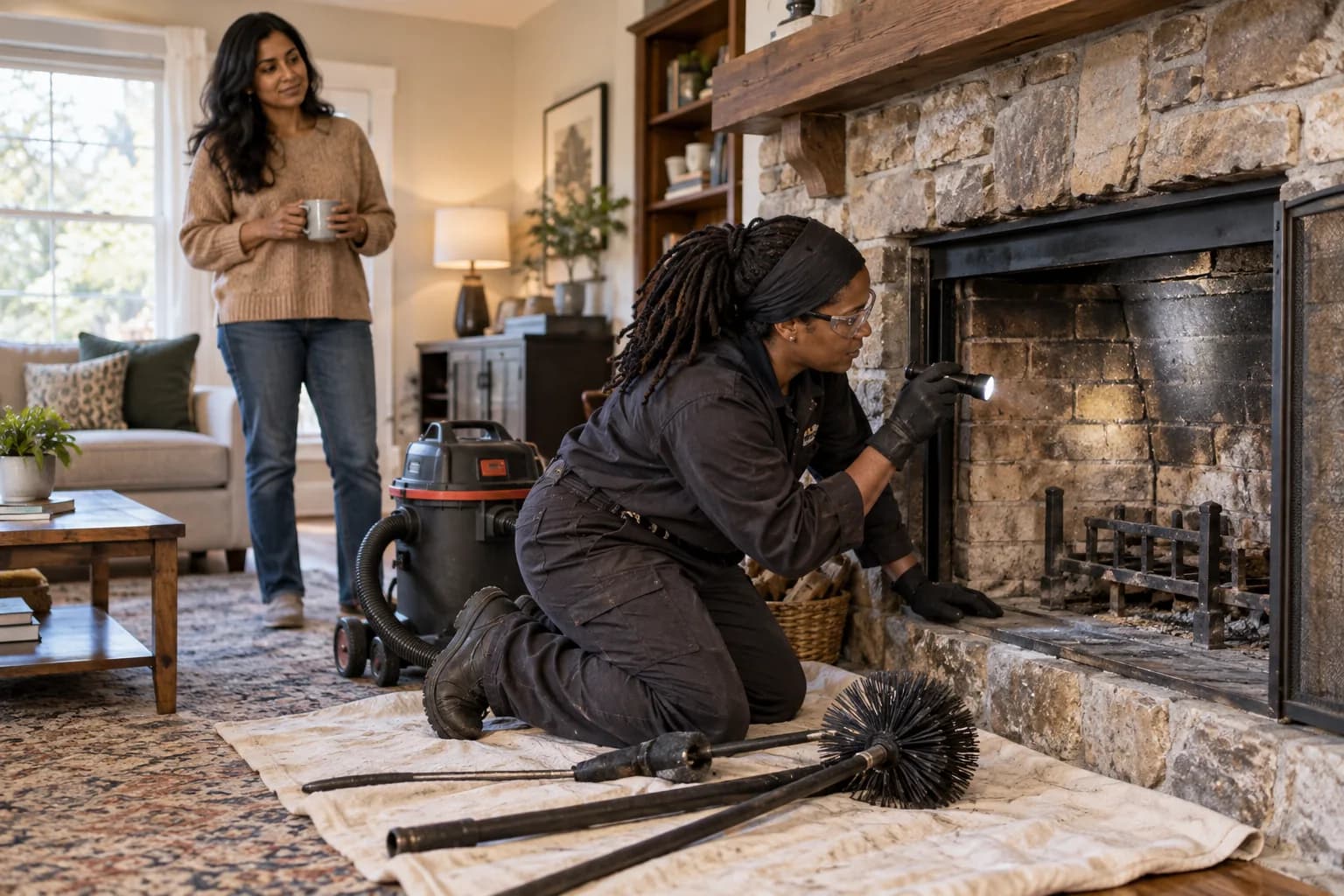
A chimney sweep company should identify the appliance and flue, explain what deposit it observed and which areas it can reach. Ask whether ordinary sweeping will remove it or whether a specialised method is proposed. Request a written explanation for additional work, including any limitations and follow-up inspection.
Preventive habits matter. Follow the appliance manual, use appropriate dry fuel and avoid smoldering fires. EPA's Burn Wise materials describe these practices, but the professional on site should advise on your system.
When to stop
If a chimney fire is suspected, leave the building and call emergency services. If smoke spills indoors or a carbon monoxide alarm sounds, stop using the appliance and seek emergency help as appropriate. Do not relight a suspect system until a qualified professional has assessed it.
Put the guide to work
Give each chimney company the same description and ask for a written scope. Compare providers by location and recorded services.
Find chimney sweep companies