Notice the pattern
Smoke at startup, during refueling or only when a kitchen fan runs may point an inspector toward different tests. Write down the weather, windows and exhaust fans in use, fuel, damper position and whether the problem is new. These details are clues, not proof of a cause.
Stop using the appliance if smoke continues in the room. If a carbon monoxide alarm sounds or anyone is unwell, leave the building and call emergency services from outside.
What an assessment might examine
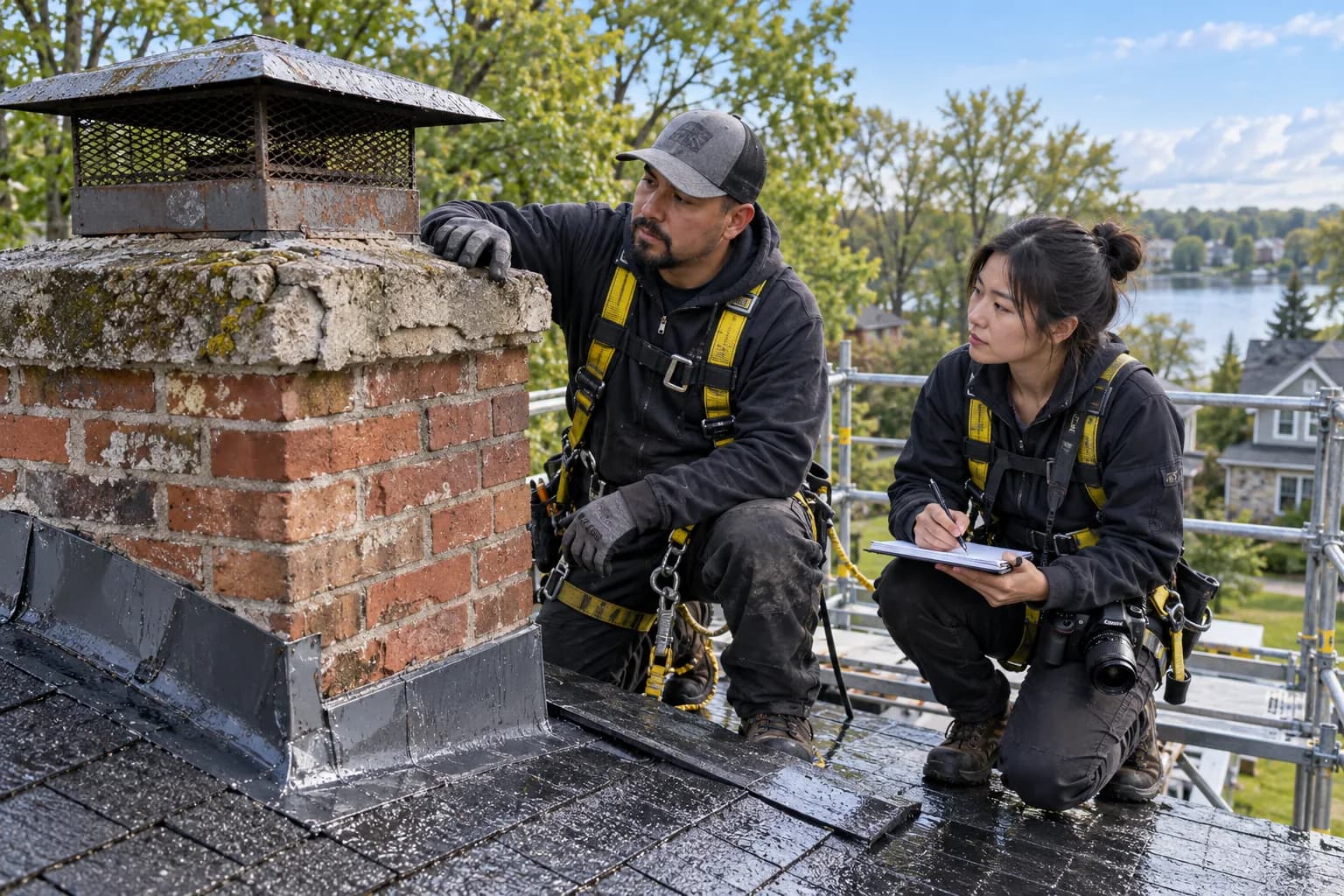
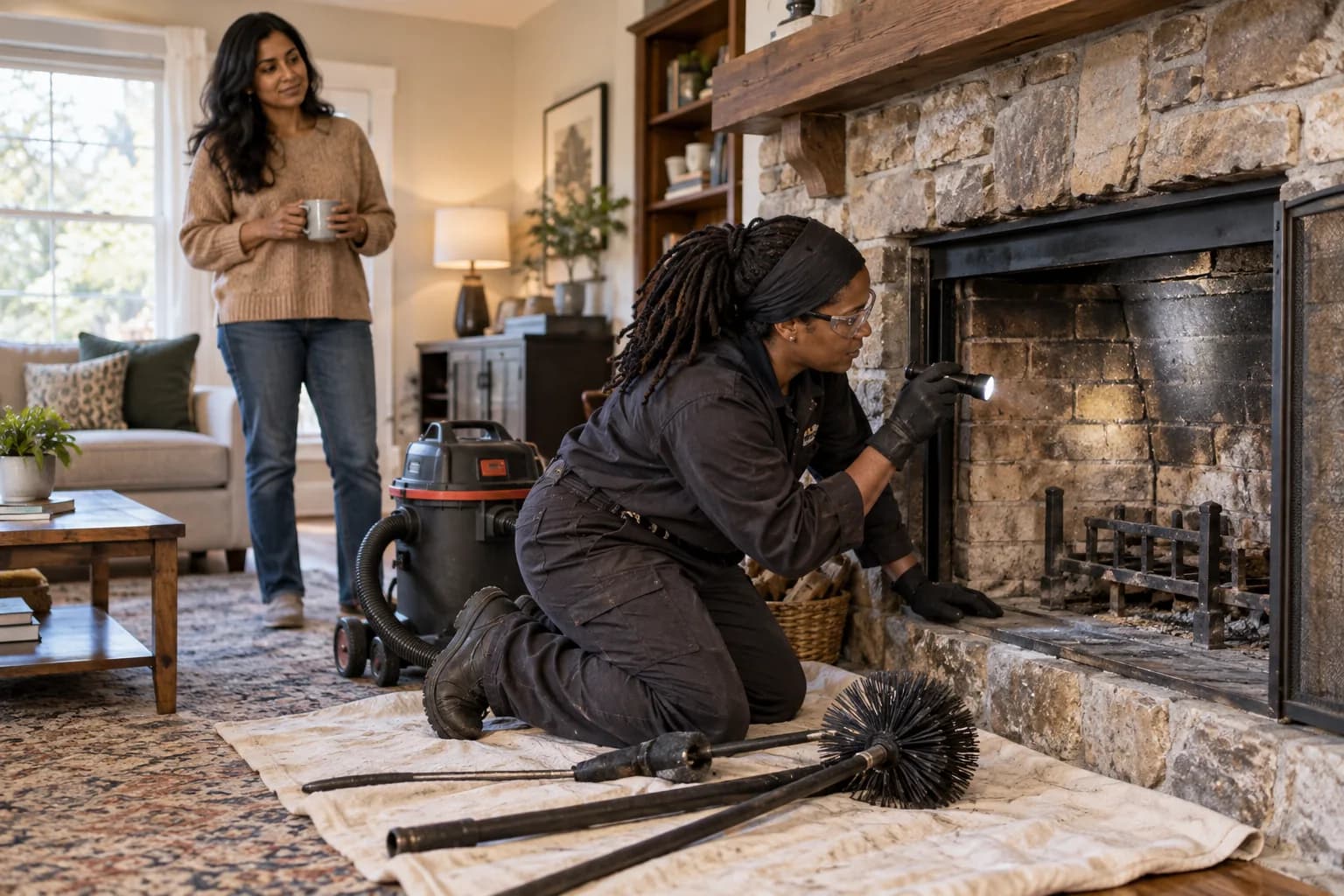
A professional may check for obstructions and deposits, the damper, the vent path, appliance connections and the interaction of the house with the chimney. EPA notes that vent sizing, height, location and configuration affect performance. Cleaning can help when deposits are the problem, but cannot correct every draft issue.
Ask which possible causes were checked and what evidence supports the recommended fix. Do not buy a cap, fan or liner solely because it is often suggested online.
Compare a repair proposal
Request a written diagnosis, the proposed work, any measurements or photos, and a description of how the result will be verified. If a major alteration is recommended, a second qualified assessment can help distinguish a system defect from an operating issue.
Put the guide to work
Give each chimney company the same description and ask for a written scope. Compare providers by location and recorded services.
Find chimney sweep companies