Inspection and cleaning are different decisions
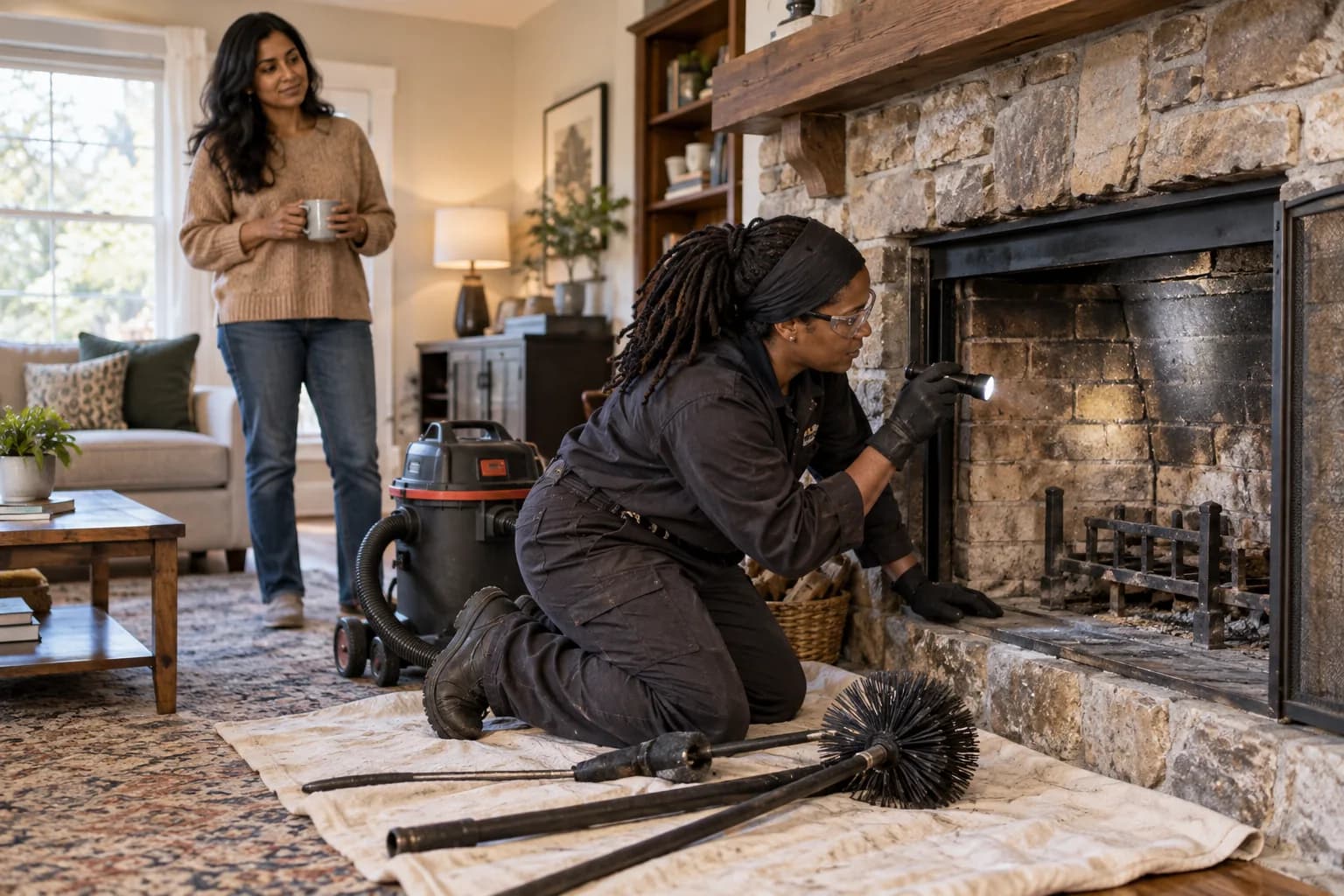
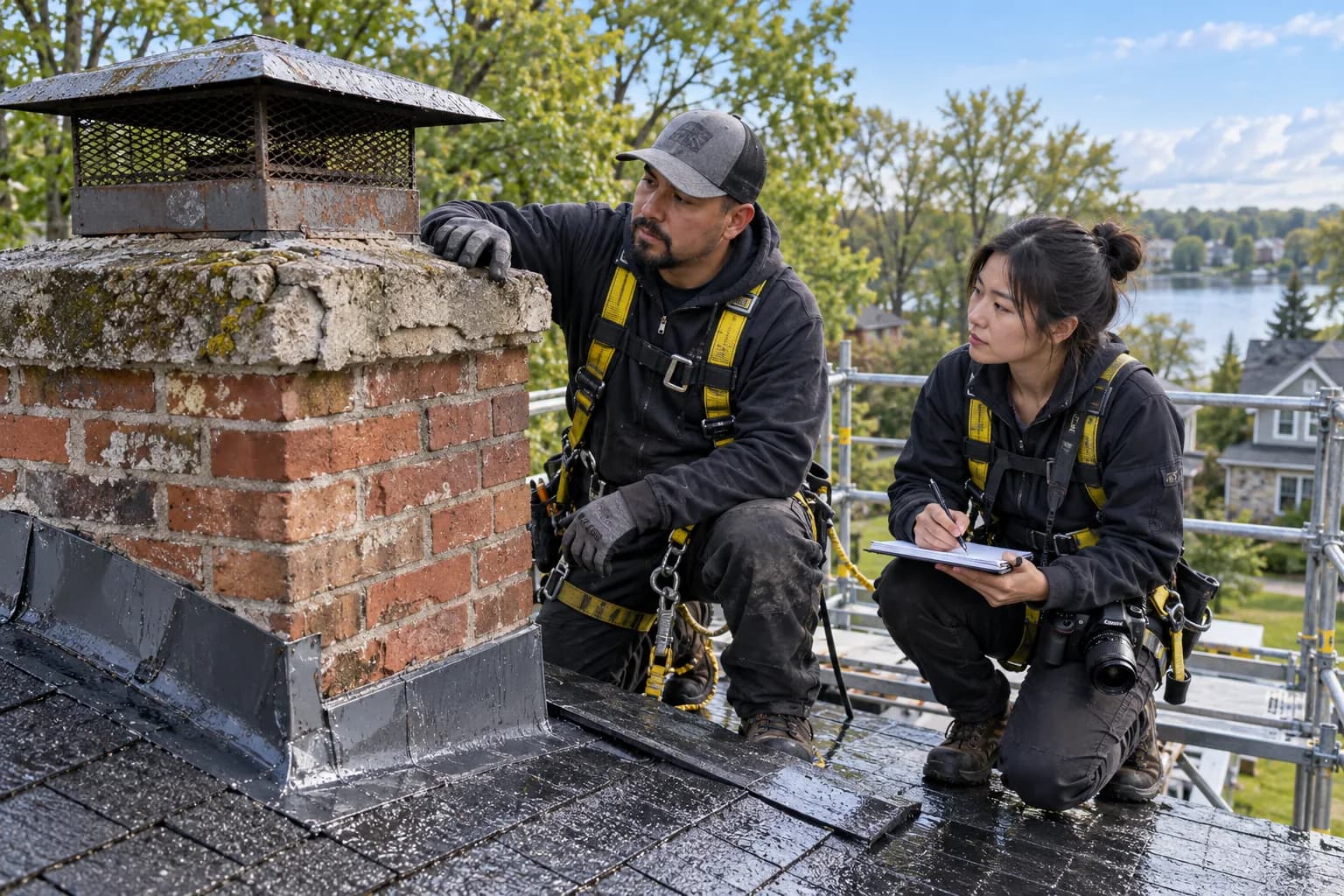
The U.S. Fire Administration advises having heating equipment and chimneys cleaned and inspected each year by a professional. EPA's historical Burn Wise guidance also describes annual professional inspection for wood-burning appliances, chimneys and vents. A visit can reveal deposits, damage or a blockage, but the exact cleaning method and timing should reflect what the professional finds and the appliance maker's instructions.
A little-used fireplace is not automatically ready to use. Animals, moisture or deterioration can affect a flue even between fires. Conversely, a heavily used wood appliance may need attention sooner than a calendar reminder suggests.
Factors that change the interval
Wood moisture, burn habits, appliance design, flue temperature and use affect deposits. Pellet appliances have ash collection points and vent paths specified by the manufacturer. Gas appliances can have vent, corrosion or connection concerns even though they do not create wood creosote.
Ask the technician to show observed deposits and explain the recommended return date. Keep a record of hours or frequency of use, the fuel you burn and any changes in draft or smoke. This makes future advice more specific than a generic schedule.
Do not wait for the calendar when symptoms change
Arrange an assessment sooner if smoke enters a room, a carbon monoxide alarm sounds, water appears, debris falls, animals are suspected or a contractor has advised against use. For an alarm or active fire, leave the building and call emergency services from outside.
The safest maintenance plan combines regular professional inspection, manufacturer guidance and prompt attention to new symptoms. It does not rely on a visual check from the hearth alone.
Put the guide to work
Give each chimney company the same description and ask for a written scope. Compare providers by location and recorded services.
Find chimney sweep companies