Treat unknown history as information to collect
A chimney can admit water, animals or debris while unused. Materials and connections can also deteriorate. Find the appliance manual and ask previous owners about repairs, changes in fuel or past problems. Do not start a fire simply to test whether it drafts.
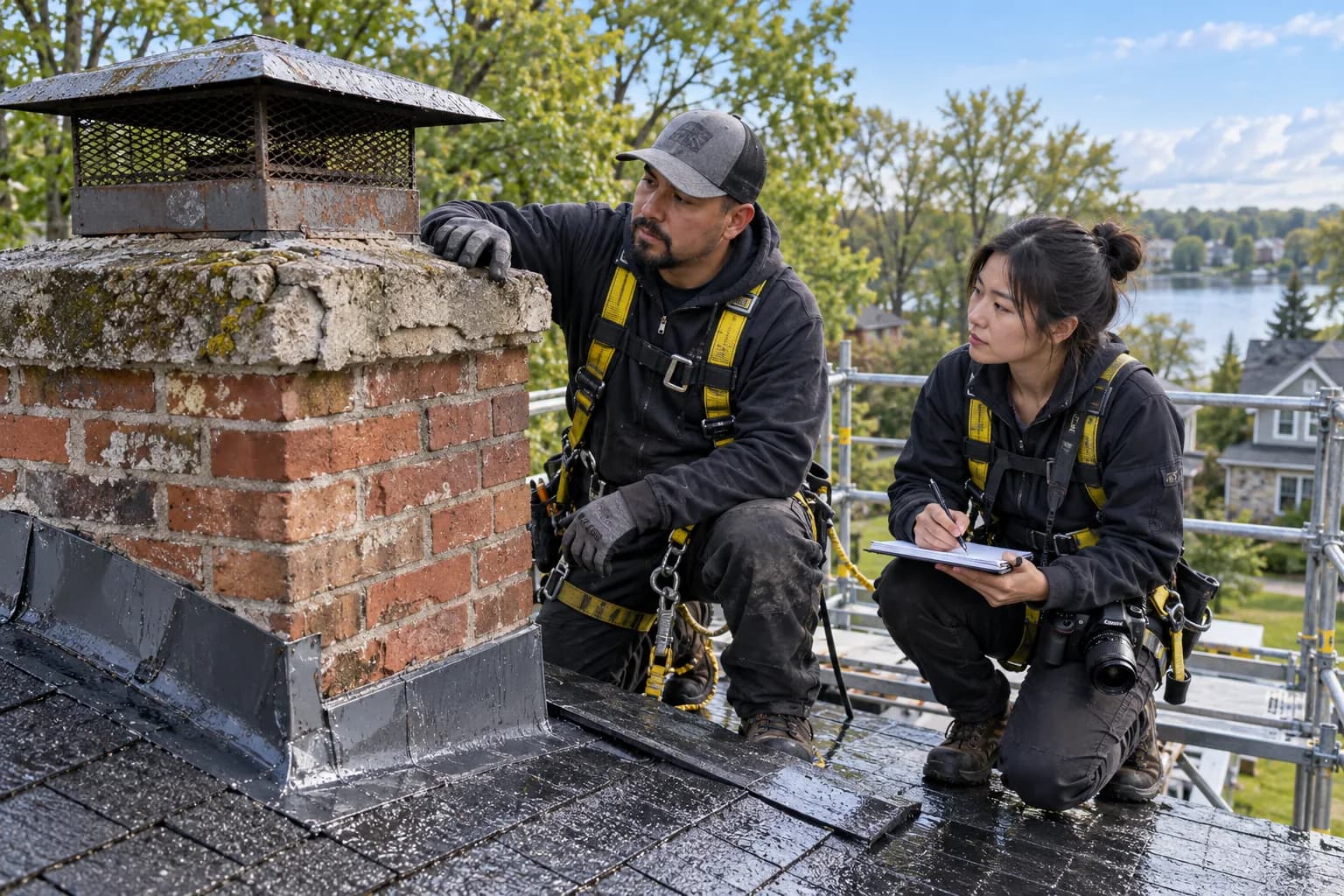
Photograph visible conditions from a safe position and note any odors, staining, crumbling mortar or missing cap.
Request the right inspection
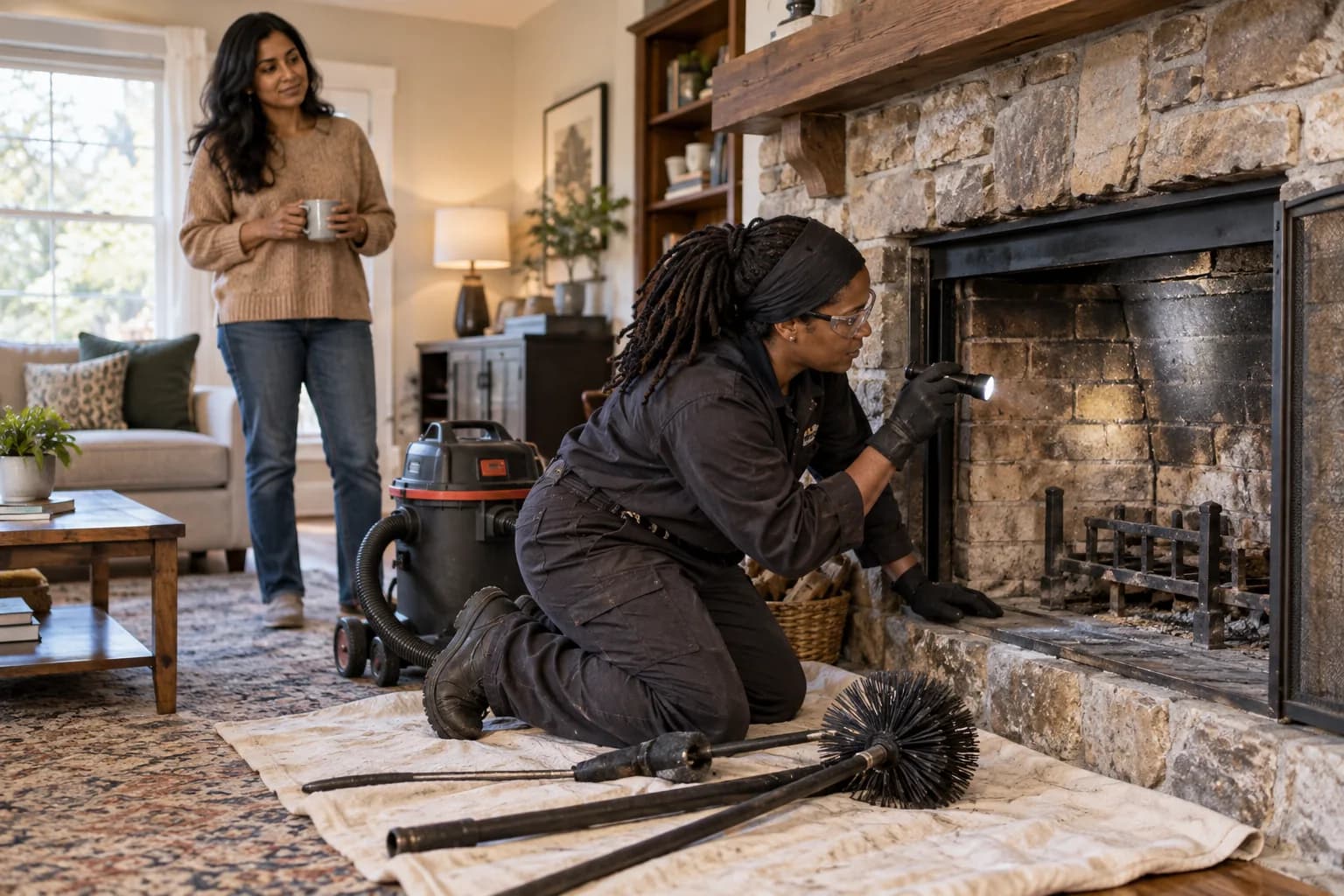
Explain the length of disuse and any changes to the appliance or house. Ask the chimney professional which inspection level is appropriate, whether video scanning is needed and how a blockage or defect will be documented. The answer may differ between masonry, factory-built, wood stove and gas systems.
Ask for a written report with limitations and explicit advice about whether the appliance can be used. Cleaning may be part of the visit, but it should not replace an evaluation of condition.
Keep a new baseline
Save the report, photos and maintenance advice. If repair is required, obtain a component-specific quote and any required approvals. Follow the appliance maker's operating instructions once a qualified professional has cleared the system for use.
Put the guide to work
Give each chimney company the same description and ask for a written scope. Compare providers by location and recorded services.
Find chimney sweep companies