Wood fireplaces and stoves
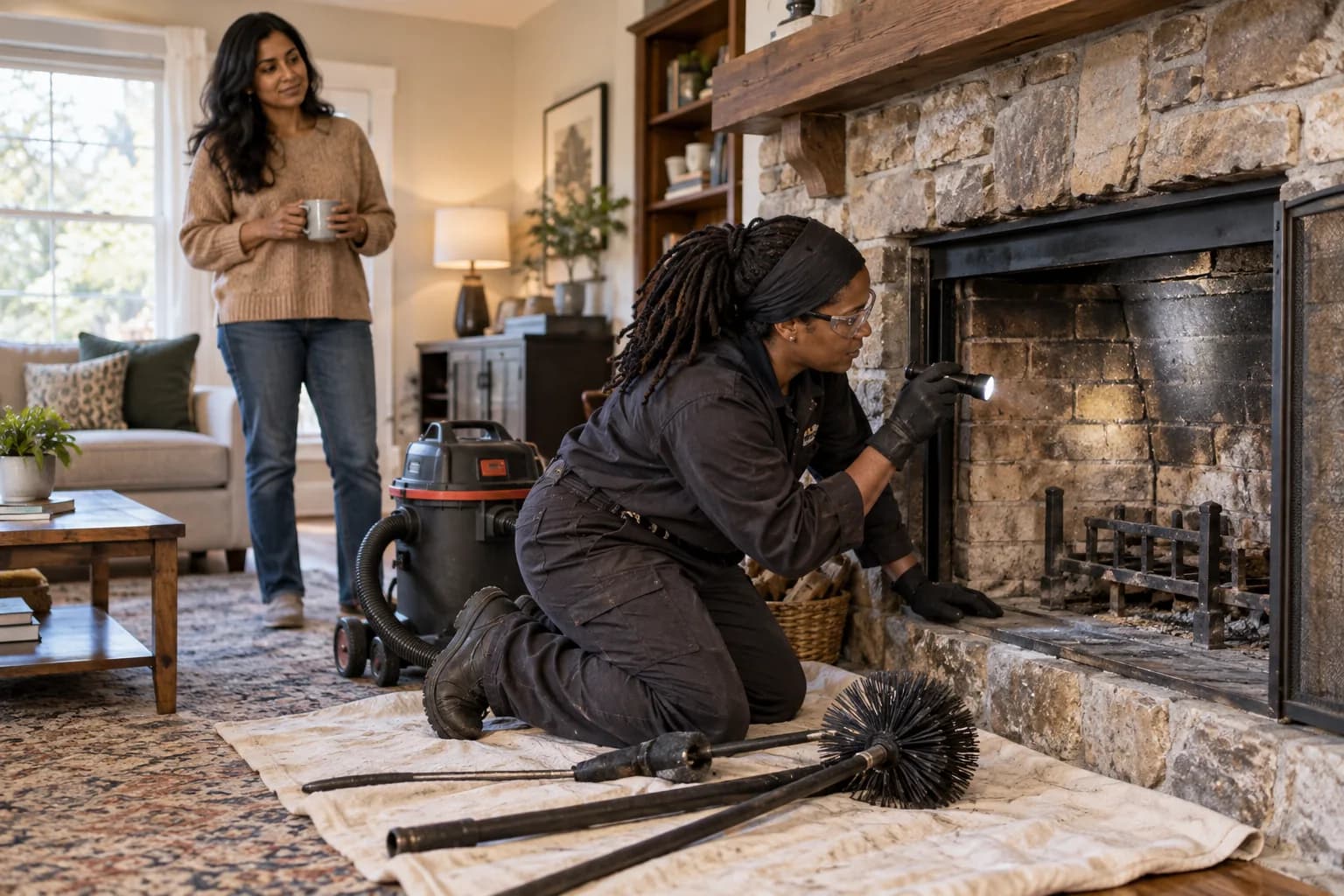
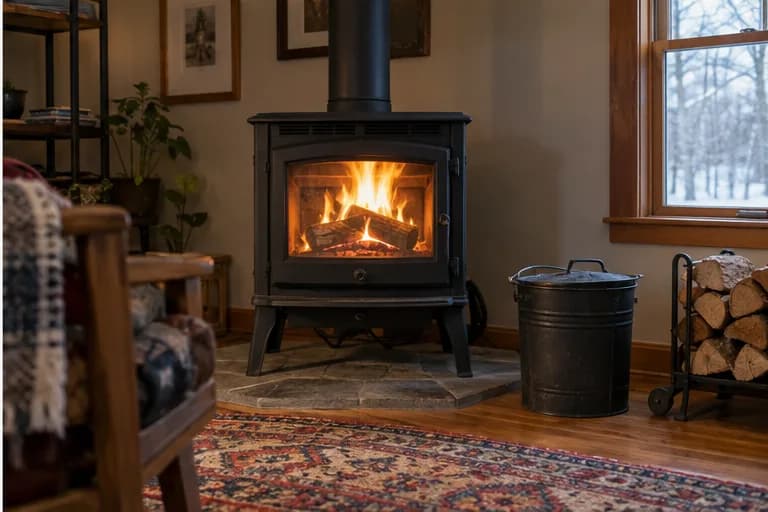
Wood burning produces soot and potentially combustible creosote. Fuel moisture, burn habits and flue conditions affect deposits. Ask for inspection of the appliance, connector and full vent path, with cleaning based on observed condition and manufacturer instructions.
A wood stove may have baffles, gaskets and a connector that need attention separate from the chimney itself. Name the model when booking.
Gas fireplaces and vents
A gas appliance does not produce wood creosote, but its venting, connections and termination can still need inspection. The exact system may be direct vent, natural vent or another manufacturer-specified arrangement. Ask whether the company has experience with your model and coordinates gas-side service where needed.
Do not treat a new odor, poor flame pattern or alarm as a routine cleaning issue. Follow the appliance instructions and seek qualified help.
Pellet appliances
Pellet systems can accumulate ash in passages and vent elbows that a quick look at the firebox misses. Manufacturer instructions identify cleaning points and service intervals. Ask the provider to specify which sections will be opened, cleaned and checked after reassembly.
For every fuel, keep the manual, service report and appliance model together. Verify that the company offers the exact service you need rather than relying on a general chimney sweep category.
Put the guide to work
Give each chimney company the same description and ask for a written scope. Compare providers by location and recorded services.
Find chimney sweep companies